Buy porngold.eu ?
We are moving the project
porngold.eu .
Are you interested in purchasing the domain
porngold.eu ?
domain@kv-gmbh.de · 0541-91531010
Buy porngold.eu ?
What intermolecular forces exist?
Intermolecular forces are the forces of attraction and repulsion between molecules. The main types of intermolecular forces include London dispersion forces, dipole-dipole interactions, and hydrogen bonding. London dispersion forces are the weakest type of intermolecular force and occur between all molecules. Dipole-dipole interactions occur between polar molecules, where the positive end of one molecule is attracted to the negative end of another. Hydrogen bonding is a special type of dipole-dipole interaction that occurs when hydrogen is bonded to highly electronegative atoms like oxygen, nitrogen, or fluorine. **
What are intermolecular interactions?
Intermolecular interactions are the forces of attraction or repulsion between molecules. These interactions play a crucial role in determining the physical and chemical properties of substances. Examples of intermolecular interactions include hydrogen bonding, van der Waals forces, and dipole-dipole interactions. These forces can affect properties such as boiling and melting points, solubility, and viscosity. **


Similar search terms for Intermolecular
Top-Angebote
Products related to Intermolecular:
-
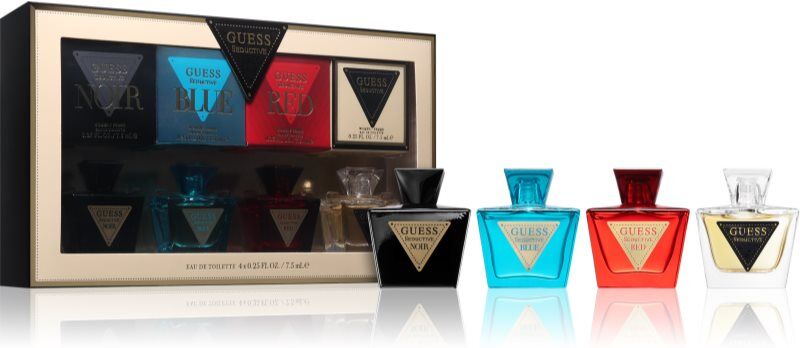
Guess Seductive gift set WGuess Seductive, 4x7.5 ml, Sets for women for Women, Having problems deciding which fragrance suits you best? Never stop discovering hitherto unknown accords and fragrances. The Guess Seductive women’s perfume set offers the perfect opportunity to get to know and try new compositions and to have a slightly different fragrance every day. That’s because the set contains several miniatures that will win you over immediately. Which one will you reach for first? Characteristics: contains fragrance miniatures unique opportunity to test multiple fragrances by a popular brand amazing as a gift gift-wrapped The set contains: Guess Seductive eau de toilette 7,5 ml Guess Seductive Red eau de toilette 7,5 ml Guess Seductive Blue eau de toilette 7,5 ml Guess Seductive Noir eau de toilette 7,5 ml19,20 £*Shipping: 3,99 £Secure redirect to the provider
-
Touch of Class Passionate Dance Sculpture Silver , SilverWild and intense or slow and steady, a couple's life together can certainly be a Passionate Dance. With an abstract looped design, the silver resin sculpture resembles two people locked together atop a square base. Overall, the sculpture measures 6...79,00 $*Shipping: 15,95 $Secure redirect to the provider



-
What are intermolecular forces?
Intermolecular forces are the attractive forces that exist between molecules. These forces are responsible for holding molecules together in a liquid or solid state. There are several types of intermolecular forces, including hydrogen bonding, dipole-dipole interactions, and London dispersion forces. These forces play a crucial role in determining the physical properties of substances, such as their boiling and melting points, as well as their solubility and viscosity. **
-
How are intermolecular forces classified?
Intermolecular forces are classified into three main categories: dispersion forces, dipole-dipole forces, and hydrogen bonding. Dispersion forces are the weakest type of intermolecular force and are caused by temporary fluctuations in electron distribution within molecules. Dipole-dipole forces occur between polar molecules and are stronger than dispersion forces. Hydrogen bonding is the strongest type of intermolecular force and occurs when hydrogen is bonded to highly electronegative atoms like oxygen, nitrogen, or fluorine. **
-
What are strong intermolecular interactions?
Strong intermolecular interactions are attractive forces between molecules that are stronger than typical van der Waals forces. These interactions can include hydrogen bonding, dipole-dipole interactions, and ion-dipole interactions. Strong intermolecular interactions play a crucial role in determining the physical properties of substances such as boiling point, melting point, and solubility. They are important in various biological processes, such as protein folding and DNA replication. **
-
Which intermolecular interactions are possible?
Intermolecular interactions that are possible include hydrogen bonding, dipole-dipole interactions, and London dispersion forces. Hydrogen bonding occurs when a hydrogen atom is bonded to a highly electronegative atom such as oxygen, nitrogen, or fluorine. Dipole-dipole interactions occur between molecules with permanent dipoles, while London dispersion forces are the weakest intermolecular interactions and occur between all molecules due to temporary fluctuations in electron distribution. These interactions play a crucial role in determining the physical properties of substances such as boiling and melting points. **

What are intermolecular interactions in chemistry?
Intermolecular interactions are the forces of attraction or repulsion between molecules. These interactions play a crucial role in determining the physical properties of substances, such as boiling point, melting point, and solubility. The main types of intermolecular interactions include hydrogen bonding, dipole-dipole interactions, and van der Waals forces. These interactions are weaker than chemical bonds within a molecule, but they still significantly impact the behavior and properties of substances. **
Which intermolecular forces are the strongest?
The strongest intermolecular forces are hydrogen bonding, which occurs when a hydrogen atom is bonded to a highly electronegative atom such as oxygen, nitrogen, or fluorine. Hydrogen bonding is stronger than dipole-dipole interactions and London dispersion forces. This is because hydrogen bonding involves a particularly strong attraction between the partially positive hydrogen atom and the partially negative atom it is bonded to, leading to a higher energy of interaction compared to other intermolecular forces. **
Top-Angebote
Products related to Intermolecular:
-
Oriflame Love Potion Sensual Ruby EDP W 50 mlOriflame Love Potion Sensual Ruby, 50 ml, Eaux de Parfum for Women, Treat your senses to a true gourmand experience. Oriflame Love Potion Sensual Ruby Eau de Parfum for women offers delicious notes that are nearly impossible to resist – especially if you love your sweets. gourmand fragrance floral fragrance brings out the sensuality in every woman suitable for everyday wear luxury fragrance for connoisseurs19,80 £*Shipping: 3,99 £Secure redirect to the provider
-
From You Flowers Flowers - Passionate PeachesA delicious bouquet with hues of pink, peach, and white with pops of green. The Peach Cobbler bouquet features peach roses, pink carnations, pink alstroemeria, and white lisianthus with floral greens. A beautiful and soft arrangement that loved ones...39,99 $*Shipping: 14,99 $Secure redirect to the provider
-
Guess Seductive gift set WGuess Seductive, 4x7.5 ml, Sets for women for Women, Having problems deciding which fragrance suits you best? Never stop discovering hitherto unknown accords and fragrances. The Guess Seductive women’s perfume set offers the perfect opportunity to get to know and try new compositions and to have a slightly different fragrance every day. That’s because the set contains several miniatures that will win you over immediately. Which one will you reach for first? Characteristics: contains fragrance miniatures unique opportunity to test multiple fragrances by a popular brand amazing as a gift gift-wrapped The set contains: Guess Seductive eau de toilette 7,5 ml Guess Seductive Red eau de toilette 7,5 ml Guess Seductive Blue eau de toilette 7,5 ml Guess Seductive Noir eau de toilette 7,5 ml19,20 £*Shipping: 3,99 £Secure redirect to the provider
-
What intermolecular forces exist?
Intermolecular forces are the forces of attraction and repulsion between molecules. The main types of intermolecular forces include London dispersion forces, dipole-dipole interactions, and hydrogen bonding. London dispersion forces are the weakest type of intermolecular force and occur between all molecules. Dipole-dipole interactions occur between polar molecules, where the positive end of one molecule is attracted to the negative end of another. Hydrogen bonding is a special type of dipole-dipole interaction that occurs when hydrogen is bonded to highly electronegative atoms like oxygen, nitrogen, or fluorine. **
-
What are intermolecular interactions?
Intermolecular interactions are the forces of attraction or repulsion between molecules. These interactions play a crucial role in determining the physical and chemical properties of substances. Examples of intermolecular interactions include hydrogen bonding, van der Waals forces, and dipole-dipole interactions. These forces can affect properties such as boiling and melting points, solubility, and viscosity. **
-
What are intermolecular forces?
Intermolecular forces are the attractive forces that exist between molecules. These forces are responsible for holding molecules together in a liquid or solid state. There are several types of intermolecular forces, including hydrogen bonding, dipole-dipole interactions, and London dispersion forces. These forces play a crucial role in determining the physical properties of substances, such as their boiling and melting points, as well as their solubility and viscosity. **
-
How are intermolecular forces classified?
Intermolecular forces are classified into three main categories: dispersion forces, dipole-dipole forces, and hydrogen bonding. Dispersion forces are the weakest type of intermolecular force and are caused by temporary fluctuations in electron distribution within molecules. Dipole-dipole forces occur between polar molecules and are stronger than dispersion forces. Hydrogen bonding is the strongest type of intermolecular force and occurs when hydrogen is bonded to highly electronegative atoms like oxygen, nitrogen, or fluorine. **
Similar search terms for Intermolecular
-
Touch of Class Passionate Dance Sculpture Silver , SilverWild and intense or slow and steady, a couple's life together can certainly be a Passionate Dance. With an abstract looped design, the silver resin sculpture resembles two people locked together atop a square base. Overall, the sculpture measures 6...79,00 $*Shipping: 15,95 $Secure redirect to the provider
-
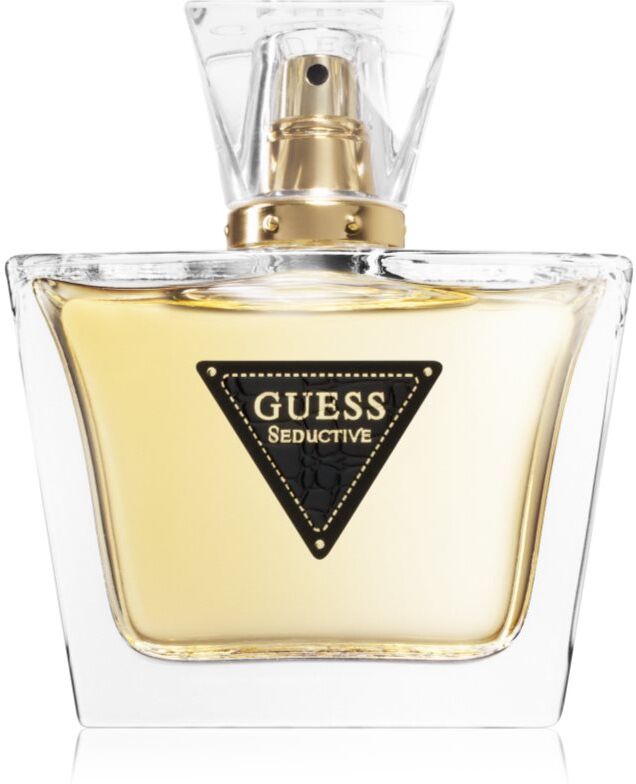
Guess Seductive EDT W 75 mlGuess Seductive, 75 ml, Eaux de Toilette for Women, Seduction is a game – and an irresistible fragrance is your winning hand. Guess Seductive Eau de Toilette will wrap you in a sensuous and sophisticated scent every time you want to shine. floral fragrance fruity fragrance brings out the sensuality in every woman suitable for everyday wear20,50 £*Shipping: 3,99 £Secure redirect to the provider
-
Guess Seductive EDT W 50 mlGuess Seductive, 50 ml, Eaux de Toilette for Women, Seduction is a game – and an irresistible fragrance is your winning hand. Guess Seductive Eau de Toilette will wrap you in a sensuous and sophisticated scent every time you want to shine. floral fragrance fruity fragrance brings out the sensuality in every woman suitable for everyday wear19,20 £*Shipping: 3,99 £Secure redirect to the provider
-
What are strong intermolecular interactions?
Strong intermolecular interactions are attractive forces between molecules that are stronger than typical van der Waals forces. These interactions can include hydrogen bonding, dipole-dipole interactions, and ion-dipole interactions. Strong intermolecular interactions play a crucial role in determining the physical properties of substances such as boiling point, melting point, and solubility. They are important in various biological processes, such as protein folding and DNA replication. **
-
Which intermolecular interactions are possible?
Intermolecular interactions that are possible include hydrogen bonding, dipole-dipole interactions, and London dispersion forces. Hydrogen bonding occurs when a hydrogen atom is bonded to a highly electronegative atom such as oxygen, nitrogen, or fluorine. Dipole-dipole interactions occur between molecules with permanent dipoles, while London dispersion forces are the weakest intermolecular interactions and occur between all molecules due to temporary fluctuations in electron distribution. These interactions play a crucial role in determining the physical properties of substances such as boiling and melting points. **
-
What are intermolecular interactions in chemistry?
Intermolecular interactions are the forces of attraction or repulsion between molecules. These interactions play a crucial role in determining the physical properties of substances, such as boiling point, melting point, and solubility. The main types of intermolecular interactions include hydrogen bonding, dipole-dipole interactions, and van der Waals forces. These interactions are weaker than chemical bonds within a molecule, but they still significantly impact the behavior and properties of substances. **
-
Which intermolecular forces are the strongest?
The strongest intermolecular forces are hydrogen bonding, which occurs when a hydrogen atom is bonded to a highly electronegative atom such as oxygen, nitrogen, or fluorine. Hydrogen bonding is stronger than dipole-dipole interactions and London dispersion forces. This is because hydrogen bonding involves a particularly strong attraction between the partially positive hydrogen atom and the partially negative atom it is bonded to, leading to a higher energy of interaction compared to other intermolecular forces. **
* All prices are inclusive of VAT and, if applicable, plus shipping costs. The offer information is based on the details provided by the respective shop and is updated through automated processes. Real-time updates do not occur, so deviations can occur in individual cases. ** Note: Parts of this content were created by AI.