Buy porngold.eu ?
We are moving the project
porngold.eu .
Are you interested in purchasing the domain
porngold.eu ?
domain@kv-gmbh.de · 0541-91531010
Buy porngold.eu ?
Is a reverse osmosis system useful?
Yes, a reverse osmosis system is useful for removing contaminants such as lead, fluoride, and other impurities from drinking water. It can improve the taste and quality of water by filtering out harmful substances. Additionally, reverse osmosis systems are often more efficient than other water filtration methods, making them a popular choice for households looking to improve their water quality. **
Is a reverse osmosis system worthwhile?
A reverse osmosis system can be worthwhile for those looking to improve the quality of their drinking water. It effectively removes contaminants such as lead, chlorine, and other impurities, providing cleaner and safer drinking water. However, it is important to consider the initial cost of the system, as well as ongoing maintenance and filter replacement expenses. Additionally, some people may find the process of reverse osmosis to be wasteful in terms of water usage. Overall, the decision to invest in a reverse osmosis system depends on individual water quality concerns and budget considerations. **

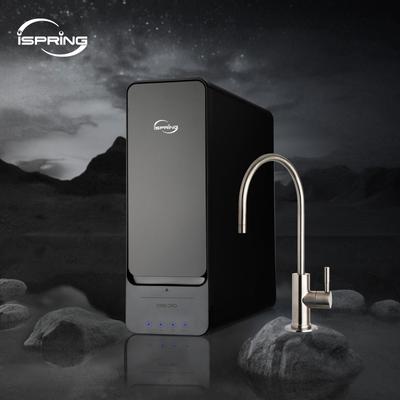
Similar search terms for ISpring-NS15-Reverse-Osmosis
Top-Angebote
Products related to ISpring-NS15-Reverse-Osmosis:
-
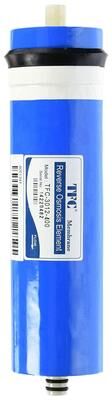
iSpring MC3 300 GPD Commercial Reverse Osmosis Membrane"300GPD Commercial Reverse Osmosis Membrane, tested by independent third-party to meet NSF/ANSI Standard TFC (Thin Film Composite) membrane Rejects wide spectrum of impurities down to . 0001 micron Fits commercial membrane housing that uses 2. 8""x12""…"169,73 $*Shipping: 0,00 $Secure redirect to the provider



-
Does anyone have experience with reverse osmosis?
Yes, I have experience with reverse osmosis. Reverse osmosis is a water purification process that uses a partially permeable membrane to remove ions, unwanted molecules, and larger particles from drinking water. I have used reverse osmosis systems to improve the taste and quality of drinking water, and I have found it to be an effective method for removing contaminants and impurities from water. Overall, I have had positive experiences with reverse osmosis and would recommend it for anyone looking to improve the quality of their drinking water. **
-
What is a reverse osmosis system for an aquarium?
A reverse osmosis system for an aquarium is a water filtration system that uses a semi-permeable membrane to remove impurities and contaminants from tap water. It works by applying pressure to the water, forcing it through the membrane and leaving behind any dissolved solids, chemicals, and other pollutants. This results in clean, purified water that is ideal for use in aquariums, as it helps to create a healthy and stable environment for fish and other aquatic life. Reverse osmosis systems are commonly used by aquarium hobbyists to ensure the water in their tanks is of high quality and free from harmful substances. **
-
Which reverse osmosis system is suitable for use in aquariums?
The reverse osmosis system suitable for use in aquariums is one that is specifically designed for producing high-quality, pure water for fish tanks. Look for a system that includes a sediment filter, carbon filter, and a reverse osmosis membrane to effectively remove impurities and contaminants from the water. Additionally, the system should have a high water production rate to ensure a steady supply of clean water for the aquarium. It's also important to consider the system's ease of use and maintenance requirements to ensure it is practical for aquarium use. **
-
How do you change the filter in a reverse osmosis system?
To change the filter in a reverse osmosis system, first, turn off the water supply to the system. Then, release the pressure in the system by opening the faucet and letting the water drain out. Next, remove the filter housing and take out the old filter. Install the new filter, making sure it is properly seated and secured. Finally, close the filter housing, turn the water supply back on, and run the system to flush out any air or loose particles. **


How are the hoses of a reverse osmosis system properly used?
The hoses of a reverse osmosis system are properly used to connect the various components of the system, such as the water supply, pre-filters, membrane, and storage tank. It is important to ensure that the hoses are securely connected to prevent leaks and maintain the proper flow of water through the system. Additionally, the hoses should be regularly inspected for any signs of wear or damage, and replaced as needed to maintain the efficiency and effectiveness of the reverse osmosis system. **
Is the TDS value of the reverse osmosis system too high?
The TDS (Total Dissolved Solids) value of a reverse osmosis system should ideally be low, indicating that the system is effectively removing impurities from the water. If the TDS value is too high, it may indicate that the reverse osmosis system is not functioning properly and is not effectively removing dissolved solids from the water. This could be due to issues with the membrane, filters, or other components of the system. It is important to monitor and maintain the reverse osmosis system to ensure that it is operating at its optimal performance. **
Top-Angebote
Products related to ISpring-NS15-Reverse-Osmosis:
-
iSpring MC3 300 GPD Commercial Reverse Osmosis Membrane"300GPD Commercial Reverse Osmosis Membrane, tested by independent third-party to meet NSF/ANSI Standard TFC (Thin Film Composite) membrane Rejects wide spectrum of impurities down to . 0001 micron Fits commercial membrane housing that uses 2. 8""x12""…"169,73 $*Shipping: 0,00 $Secure redirect to the provider
-
Is a reverse osmosis system useful?
Yes, a reverse osmosis system is useful for removing contaminants such as lead, fluoride, and other impurities from drinking water. It can improve the taste and quality of water by filtering out harmful substances. Additionally, reverse osmosis systems are often more efficient than other water filtration methods, making them a popular choice for households looking to improve their water quality. **
-
Is a reverse osmosis system worthwhile?
A reverse osmosis system can be worthwhile for those looking to improve the quality of their drinking water. It effectively removes contaminants such as lead, chlorine, and other impurities, providing cleaner and safer drinking water. However, it is important to consider the initial cost of the system, as well as ongoing maintenance and filter replacement expenses. Additionally, some people may find the process of reverse osmosis to be wasteful in terms of water usage. Overall, the decision to invest in a reverse osmosis system depends on individual water quality concerns and budget considerations. **
-
Does anyone have experience with reverse osmosis?
Yes, I have experience with reverse osmosis. Reverse osmosis is a water purification process that uses a partially permeable membrane to remove ions, unwanted molecules, and larger particles from drinking water. I have used reverse osmosis systems to improve the taste and quality of drinking water, and I have found it to be an effective method for removing contaminants and impurities from water. Overall, I have had positive experiences with reverse osmosis and would recommend it for anyone looking to improve the quality of their drinking water. **
-
What is a reverse osmosis system for an aquarium?
A reverse osmosis system for an aquarium is a water filtration system that uses a semi-permeable membrane to remove impurities and contaminants from tap water. It works by applying pressure to the water, forcing it through the membrane and leaving behind any dissolved solids, chemicals, and other pollutants. This results in clean, purified water that is ideal for use in aquariums, as it helps to create a healthy and stable environment for fish and other aquatic life. Reverse osmosis systems are commonly used by aquarium hobbyists to ensure the water in their tanks is of high quality and free from harmful substances. **
Similar search terms for ISpring-NS15-Reverse-Osmosis
-
iSpring WCS50KG Whole House Water Softener and RO5004F Under Sink Reverse Osmosis Water Filtration System - WCS50KGRO5004FRemoves Salt from Softened Water – Water softeners replace hardness minerals with sodium or potassium, which can make softened water less ideal for drinking.2495,49 $*Shipping: 0,00 $Secure redirect to the provider
-
iSpring FPC100 Replacement Filter for RCD100 Countertop Reverse Osmosis System, Composite Filter, Up to 6 MonthsLasts for up to 6 months, depending on the quality of source water and daily water consumption. Dedicated 2nd stage filter replacement for iSpring RCD100 Reverse Osmosis system countertop. Easy twist-and-replace design.41,49 $*Shipping: 0,00 $Secure redirect to the provider
-
Which reverse osmosis system is suitable for use in aquariums?
The reverse osmosis system suitable for use in aquariums is one that is specifically designed for producing high-quality, pure water for fish tanks. Look for a system that includes a sediment filter, carbon filter, and a reverse osmosis membrane to effectively remove impurities and contaminants from the water. Additionally, the system should have a high water production rate to ensure a steady supply of clean water for the aquarium. It's also important to consider the system's ease of use and maintenance requirements to ensure it is practical for aquarium use. **
-
How do you change the filter in a reverse osmosis system?
To change the filter in a reverse osmosis system, first, turn off the water supply to the system. Then, release the pressure in the system by opening the faucet and letting the water drain out. Next, remove the filter housing and take out the old filter. Install the new filter, making sure it is properly seated and secured. Finally, close the filter housing, turn the water supply back on, and run the system to flush out any air or loose particles. **
-
How are the hoses of a reverse osmosis system properly used?
The hoses of a reverse osmosis system are properly used to connect the various components of the system, such as the water supply, pre-filters, membrane, and storage tank. It is important to ensure that the hoses are securely connected to prevent leaks and maintain the proper flow of water through the system. Additionally, the hoses should be regularly inspected for any signs of wear or damage, and replaced as needed to maintain the efficiency and effectiveness of the reverse osmosis system. **
-
Is the TDS value of the reverse osmosis system too high?
The TDS (Total Dissolved Solids) value of a reverse osmosis system should ideally be low, indicating that the system is effectively removing impurities from the water. If the TDS value is too high, it may indicate that the reverse osmosis system is not functioning properly and is not effectively removing dissolved solids from the water. This could be due to issues with the membrane, filters, or other components of the system. It is important to monitor and maintain the reverse osmosis system to ensure that it is operating at its optimal performance. **
* All prices are inclusive of VAT and, if applicable, plus shipping costs. The offer information is based on the details provided by the respective shop and is updated through automated processes. Real-time updates do not occur, so deviations can occur in individual cases. ** Note: Parts of this content were created by AI.